RegulationWASHINGTON · Event October 28, 2026
HHS pauses enforcement on six peptide compounders
State-licensed pharmacies, Federal facilities and licensed physicians may compound BPC-157, Epitalon, KPV, MOTS-c, Semax and TB-500 under listed conditions. The notice is scheduled for the Federal Register on Oct 30.
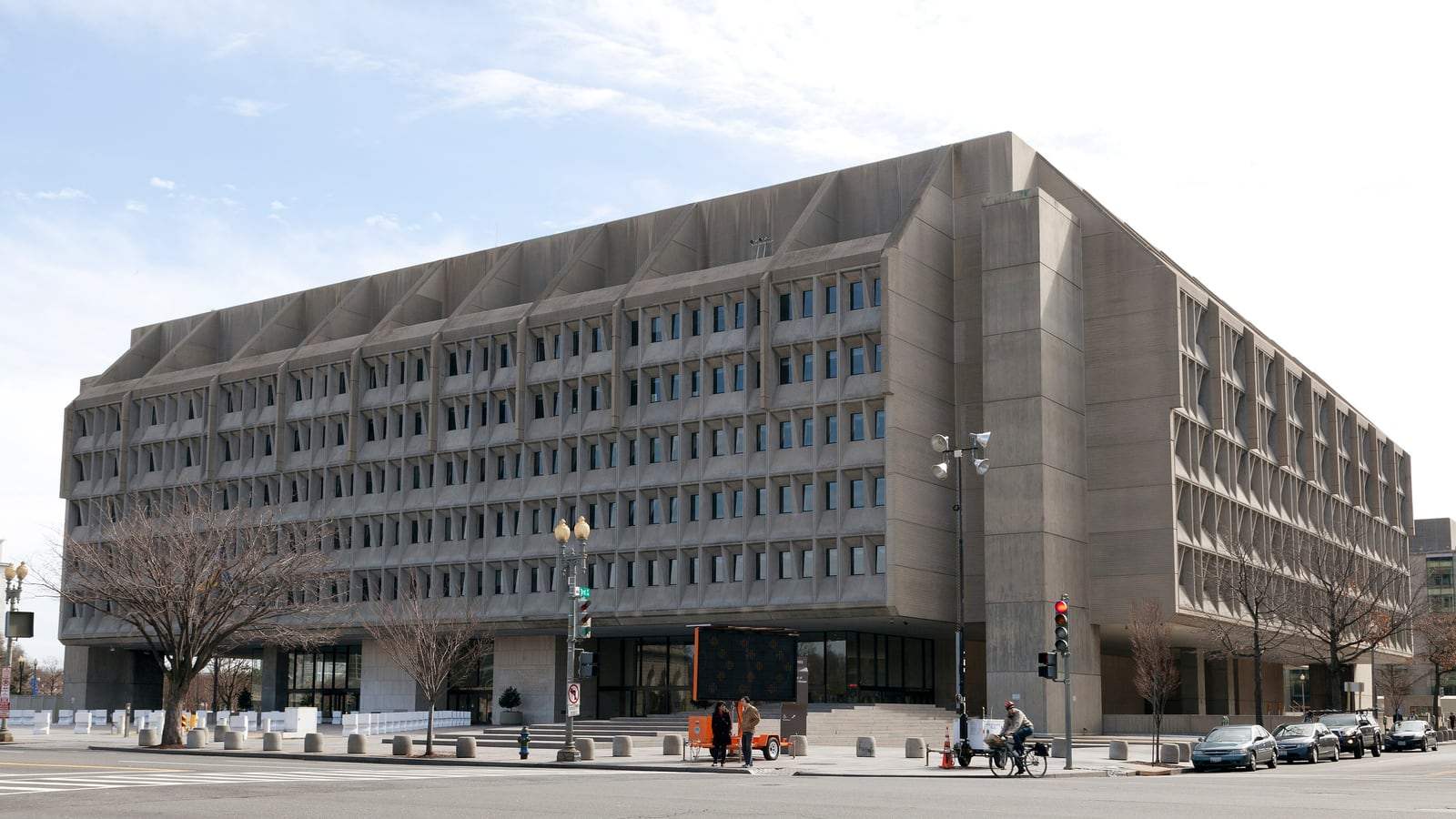
The Department of Health and Human Services said on October 28, 2026 that it does not intend to take enforcement action against State-licensed pharmacies, Federal facilities or licensed physicians that compound six named peptide bulk drug substances under listed conditions, while the Food and Drug Administration works toward a final rule on the section 503A bulks list.
HHS posted a document titled “HHS Enforcement Discretion Policy Regarding 503A Compounding Using Certain Peptide Bulk Drug Substances.” The same day, the Office of the Secretary filed a Federal Register notice of availability (FR Doc. 2026-22192, RIN 0910-ZD94), scheduled to publish on October 30, 2026. The notice points readers to the HHS policy text. Compounded drugs, the policy states, are not FDA-approved: FDA does not review their safety, effectiveness or quality before they are marketed.
What the policy covers
Appendix A lists six peptide bulk drug substances:
- BPC-157
- Epitalon
- KPV
- MOTS-c
- Semax
- TB-500
Until a peptide bulk drug substance is addressed in a final rule as included or not included on the 503A bulks list, HHS says it will not take action against a State-licensed pharmacy, Federal facility or licensed physician compounding a drug product using one of those substances when all of the policy’s circumstances are present. Those circumstances include:
- the substance matches the identity and route-of-administration limits in Appendix B;
- the bulk drug substance comes from a facility registered under section 510 of the FD&C Act and is identified in a valid certificate of analysis, and the original manufacturer (not a later packer or distributor) is section 510-registered, in compliance with current good manufacturing practice and other FD&C requirements, with the facility’s physical location listed on the COA provided to the compounder;
- reporting of products compounded, serious adverse events and product-quality issues to FDA’s MedWatch program and to the states where the products are compounded and sent;
- product labeling that includes the statement “This is a compounded drug product. Not for resale.”;
- a single active pharmaceutical ingredient from Appendix A only;
- for any oral form, documentation that the specific formulation achieves adequate oral bioavailability in humans;
- the only co-packaged or containing drug-delivery device is an FDA 510(k)-cleared syringe; and
- compliance with other applicable FD&C Act requirements, including section 503A’s patient-specific prescription requirement and the ban on insanitary conditions.
HHS says it may revisit the interim policy, in whole or in part, if a safety signal or product-quality issue arises. The policy states that the Secretary has determined the limited discretion “will discourage the continued, widespread use of certain research-use-only peptides supplied by foreign manufacturers that pose a safety risk to US patients.”
The Federal Register notice frames the same message as a notice of availability of a draft policy. It states that the draft does not establish rights for any person and is not binding on HHS or the public. Comments may be submitted via regulations.gov on Docket No. HHS-OASH-2026-0496 for two weeks after Federal Register publication.
How this relates to the White House review
The notice carries RIN 0910-ZD94, the same identifier OIRA listed as “Interim Access Policy for Compounding Using Certain Peptides.” OIRA concluded EO 12866 review on October 27, 2026 with the decision “Consistent with Change,” as we reported in our earlier story. The public-inspection filing and the HHS PDF are the policy text that was still unpublished when that review closed.
What secondary reporting says
NBC News reported on October 28 that the notice was filed Wednesday and that the six peptides match the Appendix A list. It quoted HHS spokesperson Emily Hilliard saying HHS is “working to put prevention and patient safety at the center of health care—and that includes confronting the risks of black-market peptides.” NBC also wrote that compounding pharmacies must now report side effects, which it said was not previously mandated, and quoted Shabbir Safdar, executive director of the Partnership for Safe Medicines, as criticizing both the enforcement discretion and the upcoming rule change.
Why it matters
Under section 503A, compounding from a bulk drug substance generally requires a USP or NF monograph, status as a component of an FDA-approved drug, or placement on the 503A bulks list developed by rulemaking. This notice does not complete that rulemaking. It is an interim enforcement posture with conditions, not a finding that the six peptides are safe or effective, and not an approval to market them as finished drugs. It also does not authorize “research use only” online sales outside the pharmacy system; FDA has continued to send warning letters in that channel through 2026.
What is not known
- When FDA will propose or finalize a 503A bulks-list rule for these substances, and whether each of the six will be included.
- The full contents of Appendix B beyond the policy’s description that it sets identity (amino acid sequence, structure, molecular weight and formula) and route limits; the HHS PDF we reviewed lists Appendix A in full and refers readers to Appendix B for those details.
- How quickly State boards and 503A pharmacies will adapt sourcing, labeling and MedWatch reporting to the listed conditions.
- Whether HHS will revise or withdraw the policy if adverse-event or quality reports accumulate.
What to watch
Federal Register publication on October 30; any docket comments on HHS-OASH-2026-0496; FDA rulemaking notices under RIN 0910-ZD94 or a successor; MedWatch or state actions tied to the six substances; and whether outsourcing facilities under section 503B are addressed in a later notice (this policy is framed around 503A compounders).
What changed: key dates
Sources
5 linked records- [1] HHS Enforcement Discretion Policy Regarding 503A Compounding Using Certain Peptide Bulk Drug Substances
U.S. Department of Health and Human Services · Primary record
- [2] Enforcement Discretion Policy Regarding 503A Compounding Using Certain Peptide Bulk Drug Substances (FR Doc. 2026-22192, public inspection)
Enforcement Discretion Policy Regarding 503A Compounding Using Certain Peptide Bulk Drug Substances
Federal Register · Primary record
Image: Federal Register (og:image from federalregister.gov)

- [3] Public inspection PDF: FR Doc. 2026-22192
Federal Register · Primary record
- [4] OIRA Conclusion of EO 12866 Regulatory Review (rrid=1569111, RIN 0910-ZD94)
Office of Information and Regulatory Affairs (Reginfo.gov) · Primary record
- [5] RFK Jr. takes shortcut to make some peptides more widely available
HHS is pausing legal action against compounding pharmacies that make certain peptides, effectively allowing them to offer the unapproved drugs immediately.
NBC News ·
Amino Wire reports regulatory and court records. Nothing here is medical or legal advice, and we do not provide dosing information. Named companies may respond; see right of reply.